01_CORE_DIFFERENCE
Look, these are not competing versions of the same technology. FDM and resin printing solve different problems for different people, and the overlap is smaller than most buying guides admit.
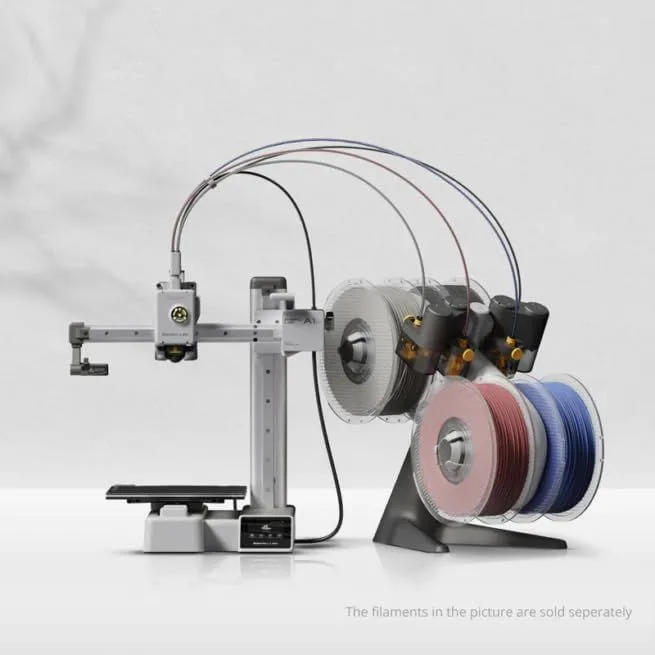
FDM builds objects by extruding melted thermoplastic filament — PLA, PETG, ABS, TPU — in layers typically 0.1-0.3mm thick. The process is mechanical: motors drive a nozzle along X, Y, and Z axes. You can see and hear the machine working. The resulting parts are strong, functional, and large enough for real-world mechanical applications. Layer lines are visible but acceptable for most purposes.
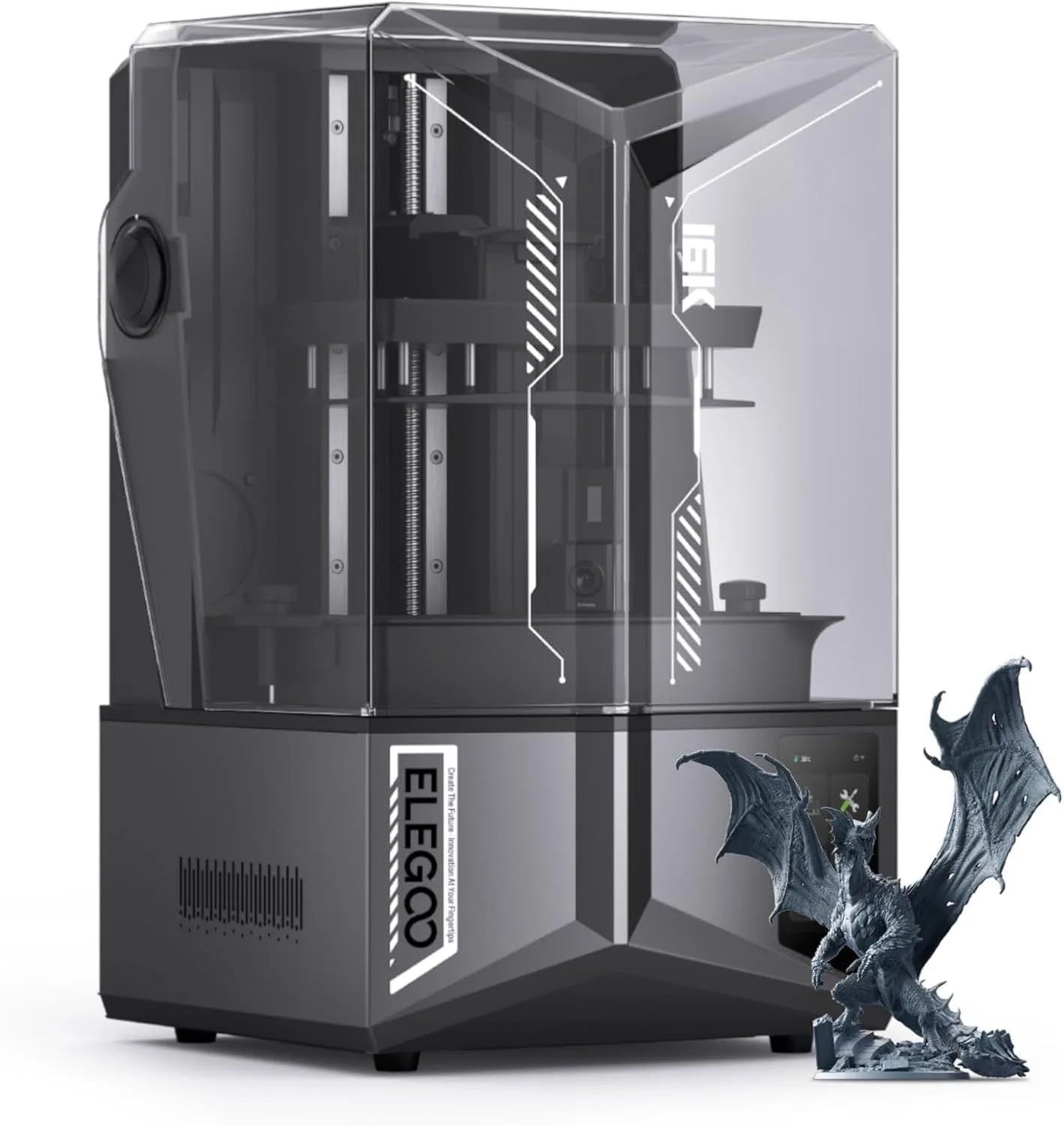
Resin printing (MSLA/SLA) works by projecting UV light onto a vat of liquid photopolymer resin. Each layer cures in seconds at resolutions as fine as 0.01mm — ten times thinner than FDM's finest setting. The results are stunningly detailed: individual scales on a 28mm dragon miniature, smooth surfaces that look injection-molded, dental models accurate enough for clinical use. But the parts are brittle, the chemicals require careful handling, and every print needs post-processing.
One is a workshop tool. The other is a precision instrument.
Most people only need one. The trick is figuring out which one before spending three hundred dollars on the wrong machine. We analyzed data across our full product catalog — 17 printers, 152,000+ customer reviews, and community feedback from r/3Dprinting, r/resinprinting, and manufacturer forums — to build this comparison on actual ownership data rather than spec-sheet speculation.