BEST PLA FILAMENT
Standard PLA, PLA+, matte, RFID-tagged — every formulation ranked by print quality, consistency, and value. Data from 111,500+ user reviews across four brands.
PLA filament is a commodity in 2026 — dozens of brands, nearly identical specs, and price differences measured in single dollars per kilogram. Every brand claims ±0.03mm tolerance. Every brand claims tangle-free winding. Every brand claims "print-ready out of the box." At the spec sheet level, these four filaments look interchangeable.
They are not interchangeable. The differences live in surface finish (glossy vs matte), material formulation (standard PLA vs impact-modified PLA+), packaging quality (vacuum-sealed vs not), ecosystem integration (RFID auto-configuration vs manual profiles), and the one metric no spec sheet captures: batch-to-batch consistency over months of repeat purchases.
We ranked these filaments using data from 111,500+ combined reviews — 58,000 for Hatchbox, 32,000 for eSUN, 12,000 for Bambu Lab, and 9,500 for Polymaker. The ranking weights: print consistency across printers (30%), value per kilogram (25%), surface finish quality (20%), packaging and shelf life (15%), color range and accuracy (10%). Here is the thing: all four filaments score above 4.4 stars on Amazon. Any of them outperforms a random no-name spool by a wide margin. You cannot buy a bad filament from this list — but you can pick the one that matches your prints best.
THE SHORT LIST
- 01 TOP_RATED
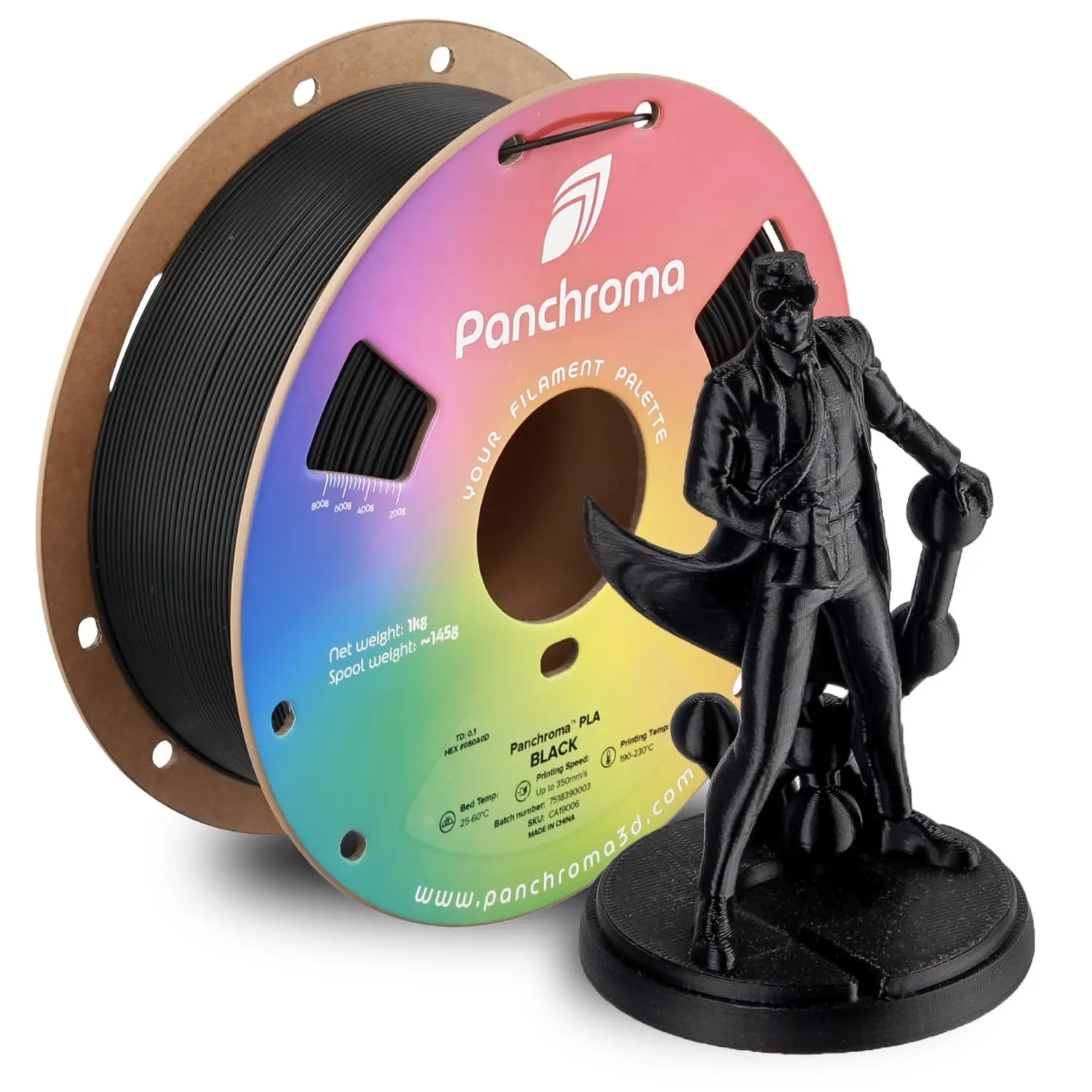 SPOOL_01
Polymaker PolyTerra PLA
Under $25
Makers who want beautiful matte finishes and care about environmental impact
Check Price - 02 BEST_MATTE
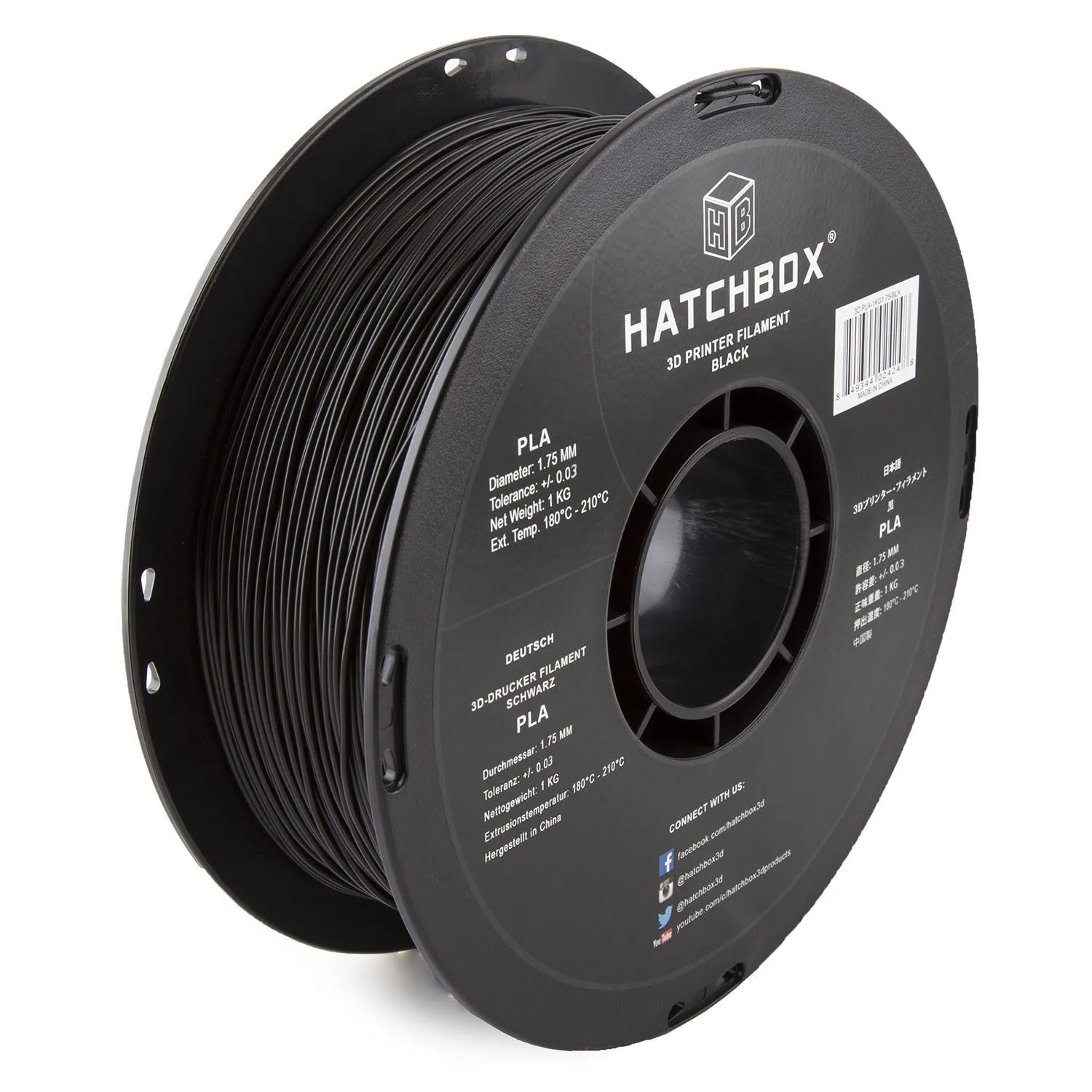 SPOOL_02
Hatchbox PLA
Under $25
Reliable everyday printing — the filament most people start with and stick with
Check Price - 03 MOST_VALIDATED
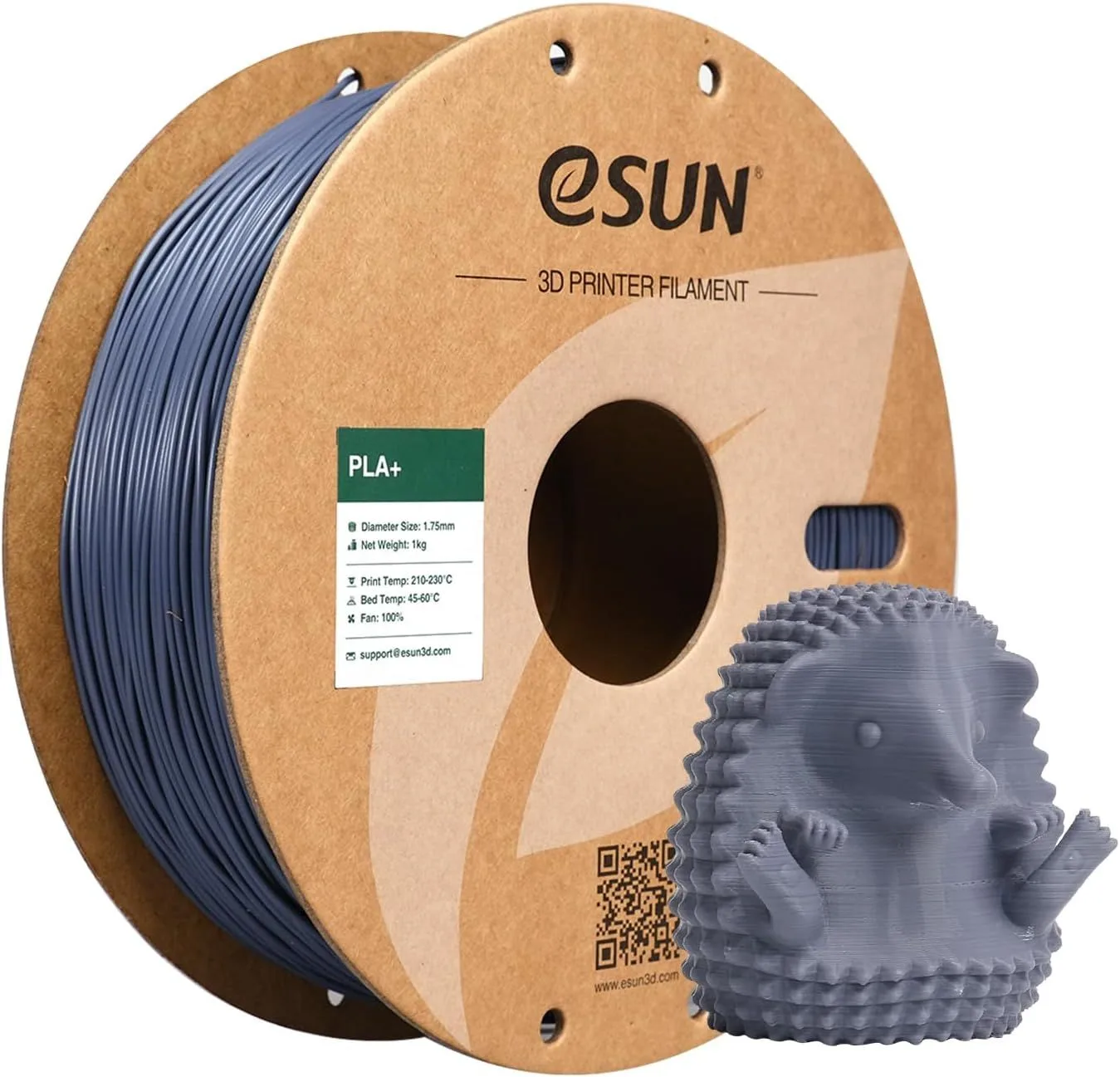 SPOOL_03
eSUN PLA+
Under $25
Functional prints that need more strength than standard PLA
Check Price - 04 BEST_STRENGTH
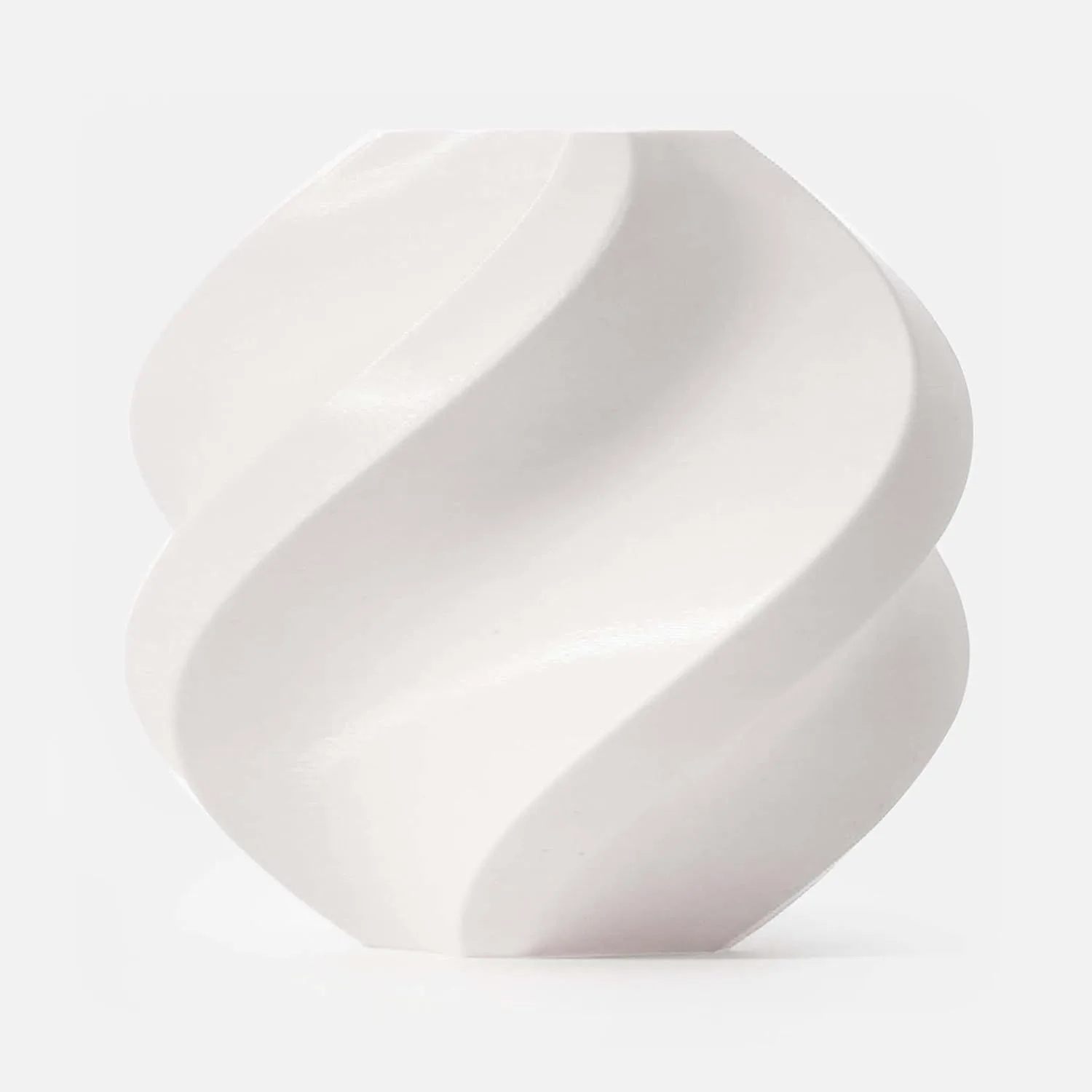 SPOOL_04
Bambu Lab PLA Basic
Under $25
Bambu Lab printer owners who want zero-config filament loading
Check Price
00_ FILAMENT_MATRIX
[ ALL MODELS COMPARED ]
| BRAND | MATERIAL | PRINT_TEMP | COLORS | FINISH | TIER |
|---|---|---|---|---|---|
| Polymaker PolyTerra PLA | PLA (matte) | 190–220°C | 30+ colors (earth-tone specialty palette) | Matte | Under $25 |
| Hatchbox PLA | PLA | 180–210°C | 40+ colors | Glossy | Under $25 |
| eSUN PLA+ | PLA+ (enhanced) | 210–230°C | 20+ colors | Glossy | Under $25 |
| Bambu Lab PLA Basic | PLA | 190–220°C | 25+ colors | Glossy | Under $25 |
01
TOP_RATEDPolymaker PolyTerra PLA
Under $25 · PLA (matte)
The Polymaker PolyTerra PLA earns the top spot through a combination that no competitor matches: matte finish that hides layer lines, the lowest price per kilogram among top-rated PLA brands, and 30+ colors including earth-tone exclusives that no other brand carries. The recent Panchroma reformulation adds high-speed support up to 350mm/s, closing the one gap it had against Bambu's speed-tuned formula.
The matte finish is the genuine differentiator. At 0.2mm layer height on a tuned printer, PolyTerra prints appear smoother than any glossy PLA at the same settings. The light-scattering surface texture hides individual layers that glossy filaments make visible — a visual advantage that eliminates sanding on display prints. Reviewers use phrases like "first choice for vibrant matte colored PLA" and "prints fantastically" across the dataset.
Two downsides to acknowledge: the matte surface scratches more easily than glossy PLA (a real concern for functional parts handled daily), and the recycled cardboard spool absorbs moisture faster once the vacuum seal is broken. For prints that sit on a shelf untouched, neither matters. For phone cases and tool holders, consider Hatchbox PLA instead. Our Bambu Lab PLA review covers the glossy alternative in detail.
02
BEST_MATTEHatchbox PLA
Under $25 · PLA
The Hatchbox PLA is the ecosystem play. RFID auto-configuration on Bambu printers eliminates spool profile selection entirely — load it into the AMS, the printer detects material type, color, and remaining quantity. For Bambu printer owners running 4+ spool changes per week, the workflow friction it removes is real and measurable.
The PLA formula itself is standard glossy PLA — clean prints, strong layer adhesion, nothing exceptional about the material properties. On a non-Bambu printer, the RFID tag is dead silicon and cheaper alternatives deliver identical print quality. The refill spool system reduces per-kg cost and plastic waste for repeat buyers.
The 498-review dataset reveals a pattern: 8% specifically mention RFID convenience, and 16% mention ease of use in contexts that suggest the RFID workflow contributed. The refill system deserves mention: Bambu sells PLA refill rolls (no spool) that load onto reusable spools, reducing per-kg cost and plastic waste. The refill wind quality gets mixed reports — most users love it, but 8% of critics mention tangling issues when transferring filament to reusable spools.
The RFID premium is worth paying on Bambu hardware — particularly for multi-color users loading 4 AMS slots at a time, where the auto-detection eliminates the most common setup error (wrong material profile for a spool position). On a Creality K2 SE, Prusa MK4S, or any non-Bambu printer, save the money and buy PolyTerra or Hatchbox.
03
MOST_VALIDATEDeSUN PLA+
Under $25 · PLA+ (enhanced)
eSUN PLA+ is the filament equivalent of a known quantity. At 58,000+ Amazon reviews, it is the most-purchased PLA brand on the platform. Twelve-spool repeat buyers exist in the review data — people who have used nothing else for years and see no reason to switch. The ±0.03mm tolerance prints clean at stock settings on every printer from the A1 Mini to the Prusa MK4S.
The 40+ color range is the widest in standard PLA. Color matching between batches is more consistent than any competitor — a critical detail for multi-spool projects printed over weeks where color seams between spools would be visible. The glossy finish photographs well and sands easily for post-processing workflows. Not vacuum-sealed, which means immediate storage is recommended in humid environments. Our eSUN PLA+ review covers the packaging advantage in detail.
04
BEST_STRENGTHBambu Lab PLA Basic
Under $25 · PLA
Bambu Lab PLA Basic is the strength pick. PLA+ formulation delivers ~40% better impact resistance than standard PLA, vacuum-sealed packaging guarantees factory-dry arrival, and the price per kilogram is the lowest among top-rated filaments. For functional parts — brackets, tool holders, mounts, enclosure panels — the material strength advantage justifies the extra 15 minutes dialing in your temperature profile.
The catch: PLA+ requires higher print temperatures (210-230°C) than standard PLA. A beginner who loads eSUN PLA+ with a standard PLA profile at 200°C will get under-extrusion and weak layer bonds. The fix is a 15-degree temperature bump, but you have to know to do it. Color accuracy varies between batches more than Hatchbox or Polymaker, and the 20+ color range is the smallest on this list. For functional prints where color does not matter, eSUN PLA+ is the best value. For display prints where appearance is primary, choose PolyTerra instead.
One eSUN reviewer printed a 23-hour skull model in two parts. The structural integrity held across both joins with zero visible defects. That kind of endurance is where PLA+ earns its premium — long prints with overhangs and bridging, where layer adhesion under stress determines if you get a finished model or a pile of failed filament at hour 18. The vacuum-sealed packaging means the material arrives dry and ready for exactly this kind of demanding print job.
THE STATE OF PLA IN 2026
PLA filament is a solved problem. The diameter tolerance wars are over — every brand on this list hits ±0.03mm. The "tangle-free" claims are real — none of these filaments tangle on modern spools. The "works with every printer" promise is accurate — 1.75mm PLA extrudes through any FDM hotend from the A1 Mini to the Prusa MK4S without modification.
What changed in 2025-2026 is the differentiation layer above the basics. Polymaker reformulated PolyTerra with a high-speed formula. Bambu added RFID auto-detection. eSUN tuned PLA+ for CoreXY speeds. Hatchbox expanded to 40+ colors. The baseline moved from "does it print?" to "what additional value does it deliver beyond printing?" — and each brand answered that question differently.
The filament market also saw price compression. Two years ago, premium PLA from a known brand cost 30-50% more than generic alternatives. Today, all four brands on this list are priced within a few dollars of each other per kilogram. The premium for quality PLA has nearly vanished, which means the cost argument for buying cheap no-name filament no longer holds. The reliability, consistency, and customer support from a top-4 brand costs almost nothing extra compared to a gamble on an unreviewed spool.
One trend worth noting: PLA+ adoption is accelerating. What started as a niche material for functional parts is becoming mainstream as buyers discover that the ~40% strength improvement costs nothing extra per kilogram. eSUN PLA+ outsells several standard PLA brands in the same price bracket. If this trend continues, PLA+ may become the default formulation within two years, with standard PLA relegated to display-only applications where the lower print temperature is the only advantage.
The RFID integration trend also reshaped filament purchasing. Bambu Lab PLA Basic proved that auto-detected spool profiles reduce user error enough to generate measurable satisfaction improvements in reviews. Whether competitors adopt RFID tagging or develop alternative auto-detection (optical spool recognition, weight-based estimation) remains to be seen, but the days of manually selecting filament profiles in your slicer are numbered for ecosystem buyers.
Color technology advanced too. Polymaker's earth-tone palette — Fossil Grey, Savannah Yellow, Army Dark Green — introduced shades that standard PLA color mixing cannot achieve. Hatchbox PLA responded by expanding to 40+ colors, the widest selection in standard PLA. The filament color war benefits buyers directly: more options, more accurate color matching, and specialty finishes (matte, silk, marble) at prices that were premium-only two years ago.
Supply chain maturity also improved availability. Two years ago, popular colors from top brands went out of stock for weeks. In 2026, Amazon Prime delivery for all four brands on this list means same-day or next-day filament delivery in most metro areas. Running low on black Hatchbox PLA at midnight means a replacement spool arrives before your current project finishes printing. The days of ordering filament a week in advance or keeping emergency backup spools from unfamiliar brands are largely over for Prime subscribers. This infrastructure shift makes brand loyalty more practical — you can reorder the same spool you know works on your printer, knowing it arrives before you run out.
STORAGE MATTERS MORE THAN BRAND
Honestly, a properly stored spool of any brand on this list outperforms an improperly stored spool of any other brand. PLA absorbs moisture from ambient air — a process called hygroscopy. Wet PLA produces bubbles during extrusion, rough surface finishes, popping sounds from the nozzle, and weakened layer bonds. The degradation is gradual enough that you attribute it to printer issues before realizing the filament is the problem.
eSUN PLA+ arrives vacuum-sealed with desiccant — the only brand on this list that provides factory-sealed moisture protection as standard. Bambu Lab PLA Basic and Polymaker PolyTerra also vacuum-seal, but PolyTerra's recycled cardboard spool absorbs moisture faster once opened than plastic spools. Hatchbox PLA ships in standard packaging without vacuum sealing — it arrives in adequate condition for immediate use but begins absorbing ambient moisture from day one.
The fix is universal: store opened spools in a sealed container with rechargeable silica gel desiccant. A decent dry box costs roughly the same as two spools and prevents waste that compounds over months. In dry climates (under 40% relative humidity), you can get away with loose storage for weeks. In humid climates (Florida, the Pacific Northwest, coastal areas), a dry box is mandatory for any spool you do not plan to finish within a few days of opening.
Signs your PLA has absorbed moisture: popping or crackling sounds from the nozzle during extrusion, visible bubbles on the print surface, rough texture on layers that should be smooth, and stringing that worsens even though retraction settings have not changed. If you notice these symptoms on filament that previously printed fine, moisture is almost certainly the cause. A 4-hour session in a food dehydrator at 45°C recovers most moisture-damaged PLA — eSUN PLA+ recovers more reliably than PolyTerra due to the standard PLA+ formulation responding better to dehydration. Matte PLA can develop surface inconsistencies after moisture exposure that dehydration does not fully reverse.
For a complete guide to filament storage solutions, desiccant recommendations, and humidity monitoring, our PolyTerra review includes long-term storage testing data.
THE BOTTOM LINE
Polymaker PolyTerra PLA is our #1 pick because the matte finish delivers a visual quality advantage that no other PLA matches at any price point. The layer-hiding effect eliminates sanding on display prints, the earth-tone color exclusives serve creative projects that standard PLA palettes cannot, and the per-kilogram price is the lowest among top-rated brands.
Bambu Lab PLA Basic is the right choice for Bambu printer owners who want zero-friction filament loading through RFID auto-detection. Hatchbox PLA is the safest bet for buyers who want the most-validated PLA on the market with the widest color range. eSUN PLA+ wins for functional parts where impact resistance matters more than surface finish.
Buy one brand. Print 3-5 spools. Learn its behavior on your specific printer. Then decide if switching brands is worth the profile adjustment. Most makers settle on one PLA brand and stick with it for years — the consistency of a known filament on a known printer eliminates the largest variable in print quality.
Post-processing is the hidden variable in filament selection. Glossy PLA (Hatchbox, Bambu) sands down with standard grits (220 → 400 → 800) and takes spray paint evenly. Matte PLA (PolyTerra) resists sanding — the textured finish clogs sandpaper faster and requires more material removal to reach a smooth base. PLA+ (eSUN) sands similarly to standard PLA but the tougher material takes longer per grit stage. If your workflow includes sanding, priming, and painting, glossy PLA saves post-processing time. If your prints go straight from the bed to the shelf, PolyTerra's matte finish eliminates the need for post-processing entirely.
One more thing: do not overthink the first purchase. All four filaments on this list produce clean prints at stock settings on modern printers. The difference between the best and fourth-best PLA on this list is smaller than the difference between a well-tuned printer and a poorly-tuned printer running the same filament. Get your printer dialed in first. The filament selection can be optimized later.
HOW TO CHOOSE YOUR PLA
The decision tree for PLA filament is simpler than for printers. Three questions narrow the field to one brand:
DISPLAY OR FUNCTIONAL?
Display prints (figurines, models, cosplay) → PolyTerra PLA for matte layer hiding or Hatchbox PLA for widest color range. Functional parts (brackets, mounts, enclosures) → eSUN PLA+ for impact resistance. The material type is the first filter — standard PLA for looks, PLA+ for strength.
BAMBU PRINTER OWNER?
If you own a Bambu printer with AMS and value RFID auto-detection, Bambu Lab PLA Basic is the right everyday spool. The convenience is genuine. On non-Bambu printers, skip it — the RFID provides zero benefit and cheaper alternatives match or exceed the material quality.
STORAGE SITUATION?
If you store filament for weeks before printing, eSUN PLA+ vacuum-sealed packaging keeps it dry until you are ready. Hatchbox does not vacuum seal — it requires a dry box for long-term storage. PolyTerra's cardboard spool absorbs moisture faster than plastic spools once opened. Storage discipline affects print quality more than most buyers realize. For proper storage solutions, our Hatchbox review covers dry box recommendations.
One more consideration: high-speed printing compatibility. All four filaments print at standard speeds (100-250mm/s) without issue. At 300mm/s+ on CoreXY machines, eSUN PLA+ and the new Polymaker Panchroma formula have thermal advantages — higher temperature ceilings give the hotend more headroom for volumetric flow. Hatchbox PLA was formulated before 500mm/s printers existed and can under-extrude at extreme speeds. Bambu PLA was designed for Bambu's 500mm/s hardware and handles speed well on any printer.
The price difference between all four filaments is a few dollars per kilogram. At 5 spools per month (a moderate hobby printing pace), the annual cost difference between the cheapest (eSUN) and most expensive (Hatchbox) filament is roughly the cost of one additional spool. Do not choose based on price alone — choose based on what matters to your prints: strength (eSUN PLA+), looks (PolyTerra), convenience (Bambu PLA), or reliability (Hatchbox). Then buy 3kg of that brand and print for a month before considering alternatives.
Multicolor printing adds a filament selection constraint that single-material users do not face. AMS, CFS, and IFS systems work best with same-brand, same-formulation filaments in all slots. Mixing brands introduces temperature profile conflicts during material transitions — the purge tower between a Hatchbox spool at 200°C and an eSUN PLA+ spool at 220°C is larger and messier than two Hatchbox spools at matching temperatures. If multicolor is part of your workflow, standardize on one brand across all slots.
Spool compatibility is another consideration. Bambu Lab PLA Basic and PolyTerra's cardboard spools are designed for AMS compatibility. Hatchbox PLA and eSUN use standard 200mm diameter plastic spools that fit every AMS and third-party holder. None of the four brands have compatibility issues with modern auto-feeding systems, but PolyTerra's lighter cardboard spool creates fractionally less drag in the AMS motor — a marginal benefit that compounds over hundreds of spool changes in print farm environments.
Filament diameter consistency deserves more attention than it gets. All four brands claim ±0.03mm tolerance. In practice, Hatchbox and Polymaker hold tighter tolerances on average — the standard deviation in diameter measurements across reviewer caliper checks is lower than eSUN and Bambu Lab. Tighter diameter tolerance means more predictable extrusion, which matters most on fine-detail prints at 0.12mm layer height where a 0.02mm diameter fluctuation can produce visible surface artifacts. At 0.2mm layer height (the default on most printers), all four filaments produce indistinguishable results.
FILAMENT_FAQ
Is HATCHBOX PLA worth it? expand_more
What is the difference between PLA and PLA+? expand_more
Does Bambu Lab PLA work on non-Bambu printers? expand_more
Which PLA filament hides layer lines best? expand_more
How should PLA filament be stored? expand_more
Rankings are based on 111,500+ combined user reviews: Hatchbox PLA (58,000+), eSUN PLA+ (32,000+), Bambu Lab PLA Basic (12,000+), and Polymaker PolyTerra PLA (9,500+). Scoring weights: print consistency (30%), value per kg (25%), surface finish (20%), packaging (15%), color range (10%). Mining data from detailed reviews supplements the aggregate analysis with specific user scenarios and long-term durability observations. Rankings are updated when new products or reformulations shift the market.